
5 Things to Know Before Hiring an HVAC Contractor in Salem, OR

Hiring the right HVAC contractor in Salem, Oregon is one of the most important home decisions you'll make. The wrong choice can mean inflated bills, voided warranties, and a system that fails when you need it most. This guide walks you through the five things every Salem-area homeowner should verify before signing anything — from CCB licensing to written estimates to long-term service.
Skip the research and call us: (503) 991-5506 — family-owned, licensed (CCB #249184), and answering 24/7.
Check Experience and Reputation
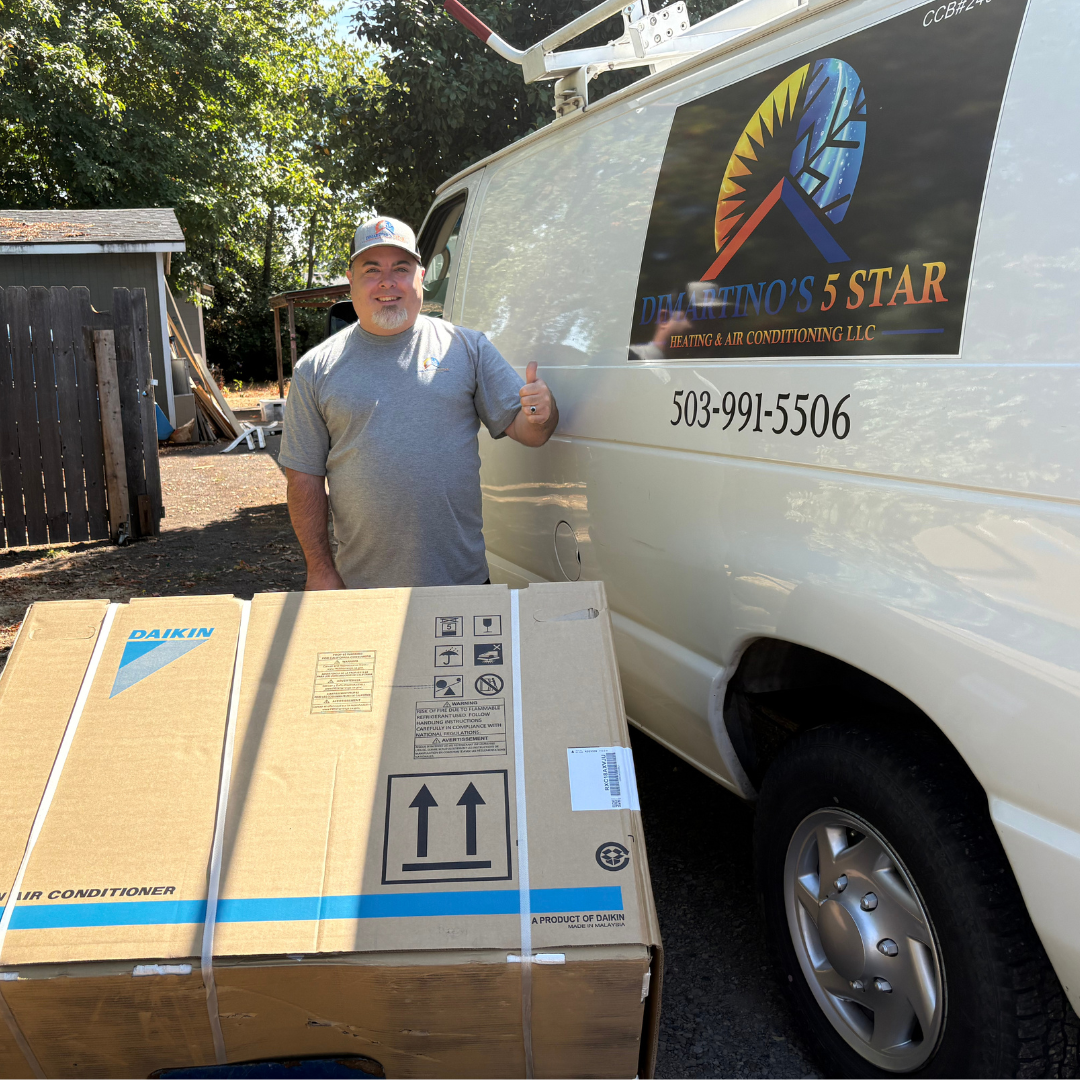
Not all HVAC contractors in the Mid-Willamette Valley have the same level of experience — and in this trade, that difference shows up fast. A company with years of hands-on work in Salem, Keizer, and the surrounding neighborhoods has seen the aging gas furnaces, the rushed installs from the last guy, and the unique humidity swings the Willamette Valley throws at heat pumps. That experience means faster diagnostics, smarter recommendations, and fewer costly mistakes.
Don't just look at how long a contractor has been in business. Look at how they communicate, how they present themselves, and whether their community reputation holds up under scrutiny.
What to Look For
- Online reviews on Google, Yelp, and the BBB — look for patterns, not just star ratings
- How the company responds to negative reviews — professional responses matter
- Years in business and whether they specialize in residential work
- Whether customers mention specific technicians by name — a sign of consistency
- References from homeowners in your part of Salem
A contractor with 80 reviews averaging 4.8 stars tells a very different story than one with 6 reviews at 5 stars. Volume and consistency matter. Pay attention to what customers specifically mention — fast response, fair pricing, honest advice, clean workmanship. If multiple reviews call out the same technician or the owner showing up personally, that's almost always a good sign.
Search the contractor's name on Google along with "Salem OR." Pull up their BBB profile, scan their Google Business reviews, and read both the positive and the negative ones carefully before you make a decision.
Why it matters: Experience and reputation directly affect the quality of work done on one of your home's most important systems. A strong track record is the best predictor of a smooth, professional experience.
Verify Licensing, Insurance, and Certifications
Before letting anyone touch your heating and cooling system, verify that they are properly licensed, insured, and certified. This is the single most important step Salem homeowners skip — and one of the most expensive mistakes they make.
In Oregon, every HVAC contractor is required to hold a valid Construction Contractors Board (CCB) license. A CCB license requires general liability insurance and workers' compensation coverage. Hiring someone without one puts you at significant financial and legal risk if something goes wrong.
What to Ask and Verify
- CCB license number (verify at oregon.gov/ccb)
- Proof of general liability insurance
- Workers' compensation coverage for their employees
- EPA Section 608 certification for refrigerant handling
- Manufacturer certifications for the equipment brands they install
Why Insurance Matters More Than You Think
If a technician is injured on your property and the contractor doesn't carry workers' comp, you could be on the hook. If the work damages your home and the contractor has no liability insurance, you may have no recourse. These aren't hypothetical horror stories — they happen every year to Salem homeowners who assumed everything was in order.
EPA Section 608 — Required for AC Work
Any work involving refrigerants — which covers most AC repairs and AC installations — requires EPA Section 608 certification. This is federal law. An uncertified technician handling refrigerants is breaking the law and may void your manufacturer warranty.
Ask every contractor for their CCB license number before scheduling work. Verify it at oregon.gov/ccb — it takes less than a minute. For reference, DiMartino's 5 Star is licensed under CCB #249184.
Why it matters: Licensing and insurance are your financial safety net. Always verify before the work starts, not after.
Why DiMartino's Is Different
Every box on the checklist above? We already check it. Here's what that looks like in practice.
Family-owned, Salem-based
Local owners on every job — not a national chain dispatcher.
CCB #249184 · Licensed & Insured
Fully bonded and insured in Oregon. Verify us at oregon.gov/ccb.
EPA Section 608 Certified
Refrigerant work handled by federally certified technicians.
BBB A-Rated
Accredited and A-rated for integrity and customer service.
Energy Trust Trade Ally
Project #TA2026_079 — we help you claim Oregon rebates.
24/7 Emergency Service
Real humans answer the phone, day or night, weekends included.
Most calls answered in under 60 seconds.
Get a Clear Written Estimate
One of the most common sources of friction between Salem homeowners and contractors is unclear pricing. A job quoted at one price ends up costing significantly more, and by the time the surprises show up, the work is already underway.
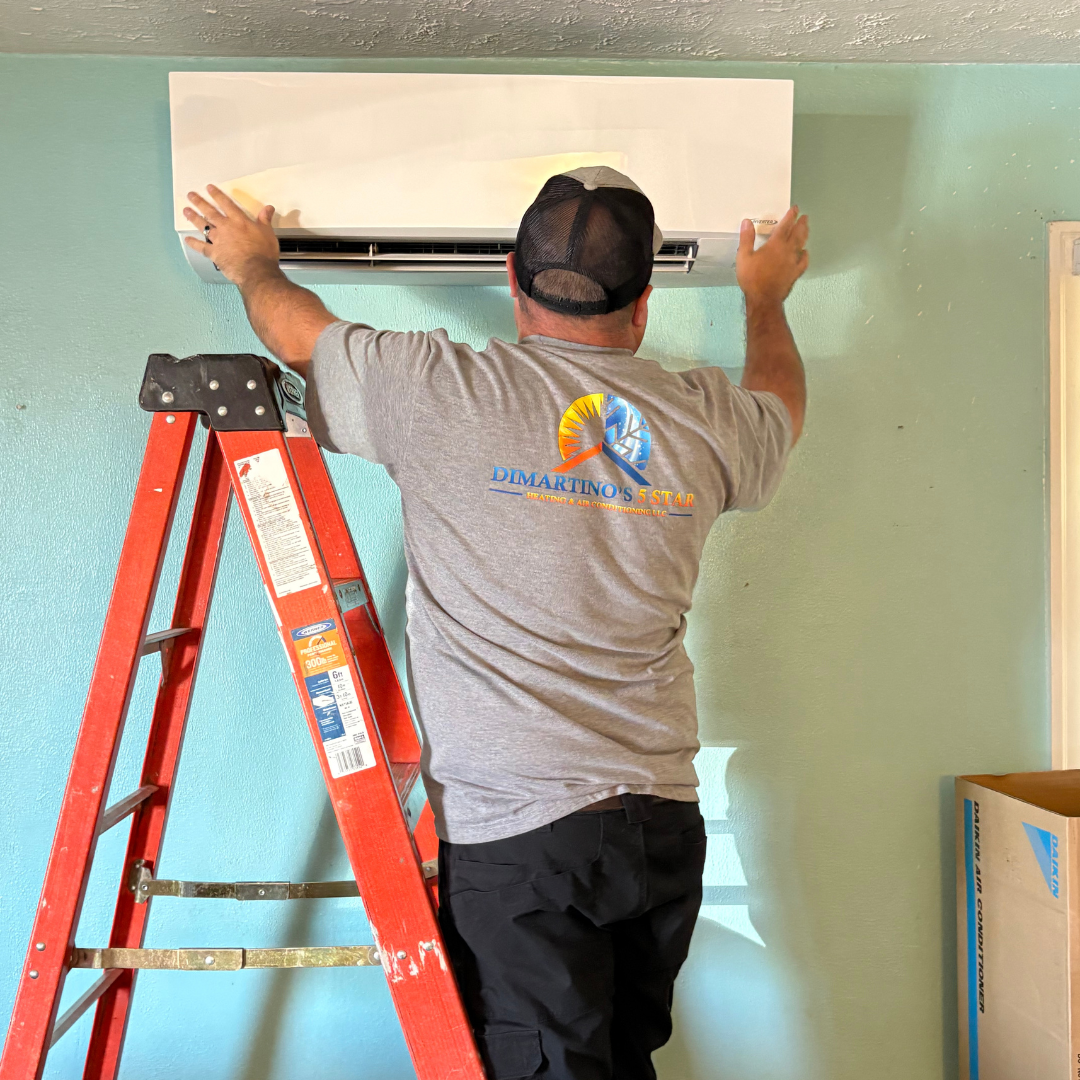
The fix is simple: require a detailed written estimate before any work begins. Not a verbal quote. Not a ballpark figure. A signed document that spells out scope, equipment, parts, labor, timeline, and total price.
What a Good Estimate Includes
- Detailed scope of work — exactly what is being repaired, replaced, or installed
- Equipment specifications — brand, model, efficiency rating (SEER / AFUE)
- Labor costs broken out separately from parts and equipment
- Any permits required and who is responsible for pulling them
- Warranty terms — both manufacturer and labor
- Estimated project timeline and completion date
- Payment terms and schedule
- Total cost with no hidden fees
The Problem With the Lowest Bid
It's natural to want to save money, but choosing the lowest bid without understanding what's included is a classic mistake. A significantly lower estimate often means lower-quality equipment, cut corners on installation, missing permits, or labor performed by unlicensed subcontractors.
Efficiency is measured by SEER for cooling and AFUE for heating. A lower-efficiency unit costs less upfront but burns more energy every month for the next 15+ years. A contractor who installs the cheapest box to win the bid can quietly cost you thousands over the life of the system. The same logic applies to heating installation and AC installation jobs.
Get at Least Two Estimates
For any significant work — a new installation, a major repair, or a system replacement — get at least two written estimates. Two bids give you a basis for comparison and help you ask better questions. If one is dramatically lower, find out exactly why before signing.
Never authorize work based on a verbal quote alone. Ask for everything in writing and make sure the estimate is signed. If a contractor resists, treat that as a red flag and move on.
Why it matters: A clear written estimate is your protection against surprise costs. It creates accountability on both sides and gives you something to reference if anything changes mid-project.
Ask About Service, Response Time, and Communication
Your heating or AC system doesn't fail at convenient times. It quits on the coldest night in January or during a 95-degree July heat wave when every contractor in Marion County is already booked. That's why response time and availability matter just as much as technical skill.
Before you hire, understand what happens when you actually need them — not just for today's job, but for the warranty issue or emergency HVAC call six months from now.

Questions to Ask Before You Hire
- What is your typical response time for emergency service calls?
- Do you offer after-hours and weekend service?
- Who answers the phone when I call? An employee, a service, or voicemail?
- How do you handle warranty issues after installation?
- Do you offer annual maintenance plans?
Pay attention to how a contractor communicates during the estimate process. If they're hard to reach, slow to respond, or vague before you've even hired them, that's a preview of the job itself. First impressions in this area are almost always accurate.
The Value of Ongoing Service
Many homeowners treat HVAC service as a one-time transaction. The best outcomes come from working with a contractor you can call year after year — someone who knows your system, your home, and your service history. Ask whether they offer annual maintenance plans. Regular tune-ups extend equipment life and catch small problems before they become expensive ones.
Call the contractor's main number before hiring them. Note how quickly they answer, how professionally they respond, and whether they ask good questions. The phone experience before the sale usually reflects the service experience after.
Why it matters: A contractor with strong communication and reliable availability is worth more than a slightly lower price from someone you can never reach.
Want a Real Written Estimate?
No pressure. No bait-and-switch. Tell us what's going on and we'll get back to you fast.
Get a Free Estimate
We'll call you back within 2 hours
Understand Warranties, Maintenance, and Long-Term Support
Your relationship with an HVAC contractor shouldn't end when the technician backs out of your driveway. What happens after the job is finished matters as much as the work itself — and most homeowners don't think about it until something goes wrong.
Two Types of Warranties to Understand
Every HVAC installation comes with two layers of protection:
- Manufacturer warranty — covers the equipment itself (parts), usually 5–10 years, sometimes longer with registration.
- Labor warranty — covers the contractor's workmanship and the labor needed to install warranty parts. Length varies by contractor.
Maintenance Is Part of the Warranty
HVAC equipment is mechanical. Like a car, it needs regular attention to perform efficiently and last as long as possible. Most manufacturers recommend annual service — spring for cooling, fall for heating — to keep equipment at peak efficiency.
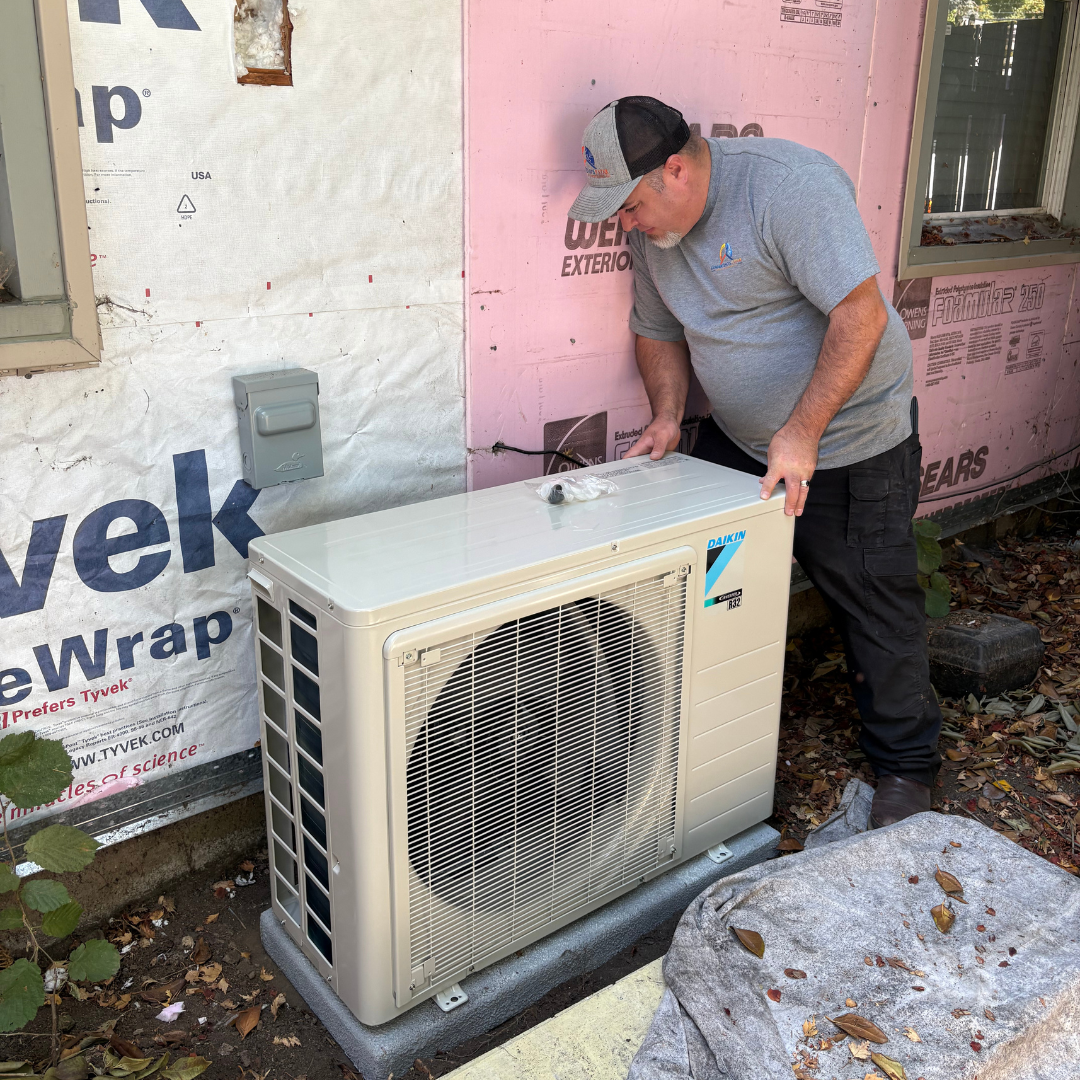
A standard AC maintenance visit or furnace tune-up typically includes:
- Cleaning evaporator and condenser coils
- Checking and adjusting refrigerant levels
- Inspecting electrical connections and components
- Lubricating moving parts
- Testing system controls and thermostat calibration
- Replacing or inspecting air filters
- Carbon monoxide checks on gas systems
Skipping maintenance doesn't just hurt efficiency — it can void your manufacturer warranty. Most warranty agreements require proof of regular service. If a major component fails and there's no maintenance record, the manufacturer may deny the claim.
Choose a Contractor for the Long Term
The best HVAC contractors aren't chasing a one-time transaction. They're building a relationship — the company you call for maintenance, repairs, and eventually replacement, because they've earned your trust over time.
Keep a folder with every HVAC document — written estimate, installation receipt, warranty registration, and every maintenance visit. This paper trail protects you for warranty claims and adds value when you sell your home.
Why it matters: Warranties and maintenance aren't afterthoughts — they're part of the investment. Understanding your coverage protects your equipment, your budget, and your comfort for years.
FAQ — Hiring an HVAC Contractor in Oregon
Do HVAC contractors in Oregon need a license?
Yes. Every HVAC contractor working in Oregon must hold a valid Construction Contractors Board (CCB) license. The CCB license requires general liability insurance and workers' compensation coverage. Hiring an unlicensed contractor puts you at financial and legal risk.
How do I verify a CCB license in Oregon?
Visit oregon.gov/ccb and use the license lookup tool. Type in the contractor's CCB number or business name to confirm the license is active, see insurance status, and check for any complaints. It takes less than a minute.
How many HVAC estimates should I get in Salem?
For any major HVAC work — a new installation, system replacement, or large repair — get at least two written estimates. Comparing detailed bids helps you spot lowball offers that cut corners on equipment, permits, or labor.
What should a written HVAC estimate include?
A professional estimate should list the scope of work, equipment brand/model/efficiency rating (SEER for AC, AFUE for furnaces), labor costs broken out from parts, permit responsibility, warranty terms, timeline, payment schedule, and the total price with no hidden fees.
How long does a new HVAC installation take in Salem?
Most residential AC, furnace, or heat pump replacements in Salem are completed in one day. Full system swaps with new ductwork or zoning may take two to three days. Your contractor should give you a written timeline before work begins.
Salem HVAC Services & Resources
AC Repair in Salem, OR
Same-day diagnostics and repair across the Salem area.
NO HEAT?Furnace Repair
Licensed, insured furnace techs you can actually reach.
PROTECT YOUR WARRANTYHVAC Maintenance Plans
Annual tune-ups that keep your warranty valid.
LOCAL SERVICEServing Salem, OR
Family-owned HVAC team serving Salem and 30 miles around.
Make One of Your Estimates DiMartino's
Most Salem homeowners get 2–3 estimates before they hire. Make one of them ours — you'll feel the difference on the first call. Family-owned, CCB #249184, EPA-certified, BBB A-rated. Clear written estimates. No pressure. No surprises.
Call (503) 991-5506